How Cello String Tension Affects Sound, Response, and Playability
By SoundBox Strings
When choosing cello strings, it's easy to focus on brand names. But two strings can carry nearly identical sound descriptions and still feel completely different under your bow. Tension is the mechanical specification behind that difference — one string gives you a solid wall of resistance, another speaks under a light touch — and understanding it helps you pick strings that work with your hands rather than against them. If you haven't read my cornerstone piece, "You Can't Buy a New Sound. But You Can Stop Fighting Your Instrument.", start there. This post is the tension chapter of that same idea.
What Is String Tension?
String tension is the mechanical pull on your cello when a string is tuned to pitch. A standard modern steel-core setup, like a Pirastro Permanent (131.8 lb) or Jargar Eccentric medium set (131.6 lb), carries roughly 131 to 132 pounds of total tension. A full plain-gut setup like Gamut Lyon pulls around 83 to 85 pounds.
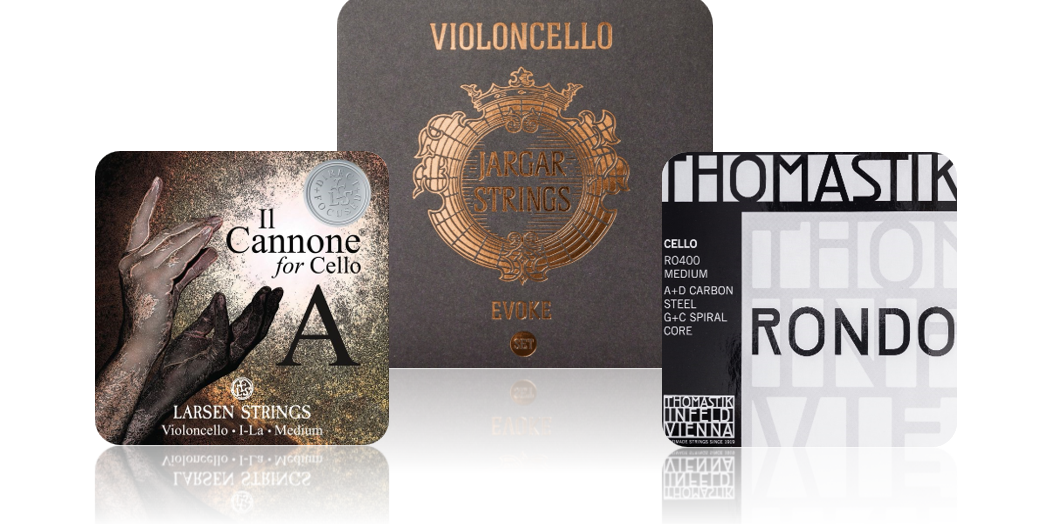
Per-string loads differ just as much: on a Jargar Eccentric medium set the A pulls around 39.5 pounds against the C's 30.0; Pirastro Permanent runs roughly 38.2 and 30.3.
Tension isn't stiffness. Tension is the pull at pitch; stiffness is how pliable the string feels, set by the core (solid steel, spiral core, synthetic, gut) and winding metals. Two strings can pull an identical 31 pounds yet feel completely different — a stiff solid core versus a supple spiral core.
Higher Tension Can Mean More Resistance
A higher-tension string is a firmer platform — drop the bow in and it pushes back. For a heavy bow arm that resistance feels stable; you can dig in near the bridge without crushing the vibration.
Lower tension lets the string move with less initial effort and speak under a lighter touch, which eases fast articulation. But if the tension is too low for your bow stroke, you'll bottom out or choke the sound the moment you play fortissimo.
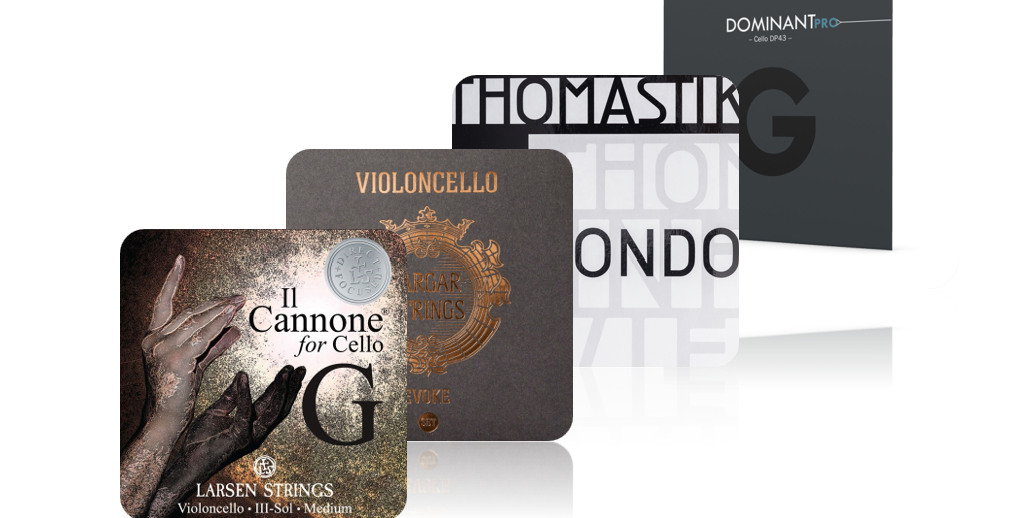
I felt this with the Spirocore Tungsten Strong C: unyielding under the bow, demanding real arm weight to speak cleanly — playing softly at the tip was difficult because a light stroke wouldn't bite. It doesn't lack power, but unlocking it takes an assertive, physical approach.
More Tension Doesn't Automatically Mean More Power
Higher tension doesn't automatically mean a bigger sound — the distinction that matters is potential power versus accessible power. A Larsen Soloist A at around 40.7 pounds (versus roughly 27 for a gut A) holds massive potential energy, but if you burn your energy forcing the bow through resistance instead of shaping the phrase — if it locks your wrist or demands more weight than your mechanics provide — that power is purely theoretical.
Accessible power is efficiency: a string that speaks instantly turns bow speed and clean contact into a broad sound, no brute force required.
Tension Can Affect the Balance of a Set
The bridge and soundpost spread all four strings' tension across the belly. When it spikes or drops awkwardly between strings, your bow arm compensates constantly — a stiff A beside a pillowy D means adjusting weight mid-phrase just to hold an even tone.
Balance doesn't mean identical numbers — an A naturally out-pulls a C. It means the feel transitions smoothly. That's why mixed sets are standard practice: a punchy tungsten bottom paired with a warmer, pliable top balances resistance and ease across the strings.
When Should You Pay Attention to Tension?
Reach for tension figures when diagnosing a specific physical problem:
Your bow arm fatigues quickly despite solid mechanics.
Your A sounds choked or harsh, suggesting the top is under too much pressure.
Your lower strings lag on fast detaché strokes.
Crossing from D to G feels like falling into a ditch as the resistance drops away.
Your older, delicate instrument chokes under a modern heavy setup and wants something closer to gut tension.
Don't Choose Strings by Tension Alone
Tension is a lab number, not a prediction of how your cello will respond to it. A heavily built modern cello might thrive under a high-tension steel set (~132 pounds total), while a delicate older instrument could choke under that same load and only open up much lower — some players land near gut territory (~85 pounds) for exactly this reason. The chart tells you the load; only your cello tells you what it does with it. Tension is one variable among core, winding, bridge curve, and your mechanics.
Try Them on Your Cello
Specs narrow the field, but you can't hear tension on a chart. When testing, ask: does it speak at pianissimo? Push back comfortably at fortissimo? Keep your bow hand relaxed through fast crossings? The right string gives maximum return for the way you naturally play.
Find your sound. Try before you buy.
Browse all of our cello strings here — each one is available for trial or purchase.