You Can't Buy a New Sound. But You Can Stop Fighting Your Instrument.
By Philo Lee
Recently, a member of the Facebook group called the "International Cello Society" posted something about strings that stuck with me. His point was basically: you can't buy a new sound with new strings — you'll always sound like yourself, so go practice.
I agree with the second half completely. Practice is what matters. No string will do your practicing for you.
But I think the first half misses something important. You can't buy a new sound — but you can make it easier to get the sound you already hear in your head. Strings don't change the player; they change the effort. A set that suits you responds when you ask, doesn't fight your bow arm, and lets you phrase the way you hear it. A set that doesn't makes you work harder for the same result, and over a full rehearsal or concert, that effort adds up.
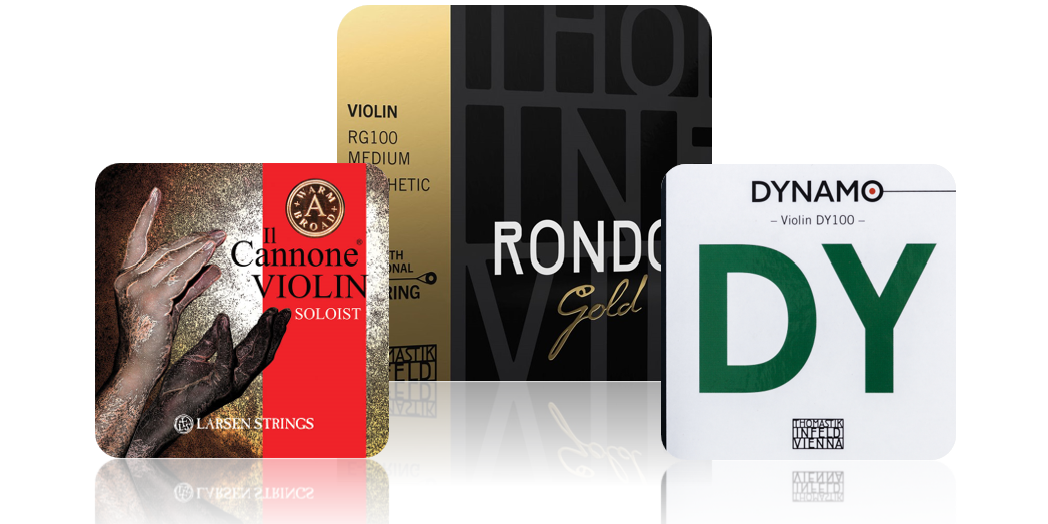
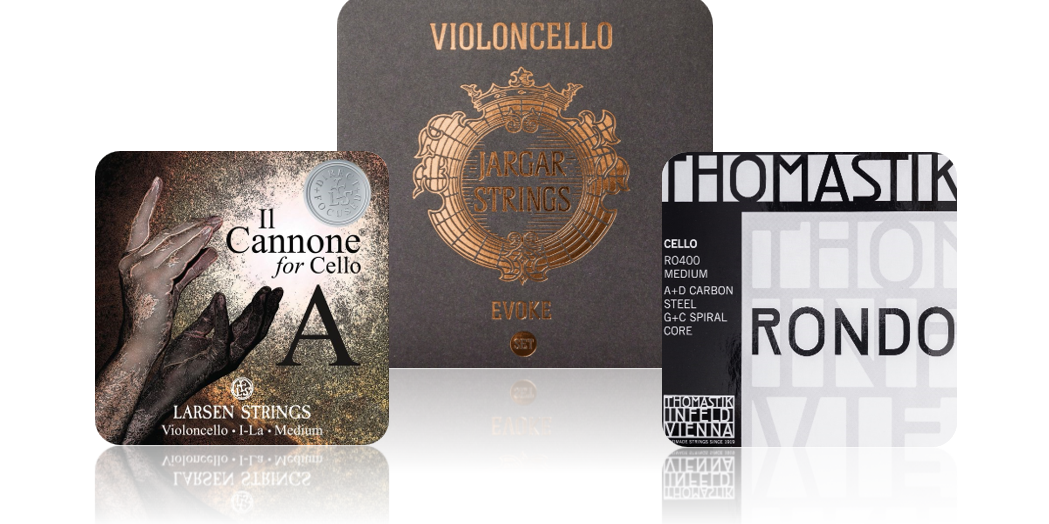
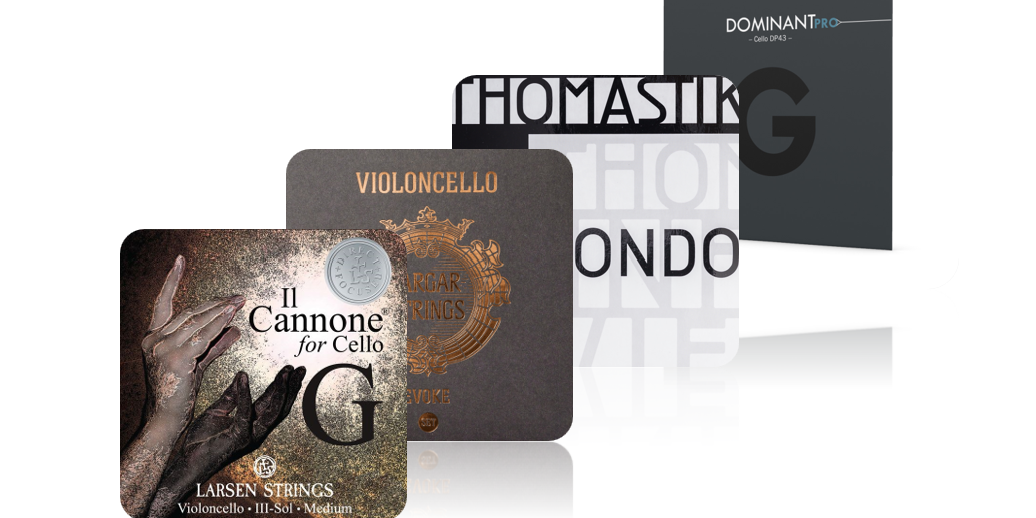
With all these new strings on the market such as the Larsen Sovereign, Jargar Eccentric, and Peter Infeld for cello, the landscape has become crowded. Many of us rely on the tried and true Larsen Original or Solo A and D paired with Spirocore G and C—a fine, standard combo that works for a majority of instruments. But even these reliable combinations aren’t one-size-fits-all.
In the thread where this discussion started, a colleague pointed out that strings might feel "choked" on one setup but perfectly responsive after a soundpost adjustment. It’s a fair point: setup plays a massive role in how any string behaves. But the fact remains that if the string didn't have an inherent personality—if it didn't push back or pull forward in its own specific way—you wouldn't need to adjust your setup to accommodate it in the first place. And the reverse is just as telling: when your setup is already dialed in and your current strings sound perfectly fine, a new set can still sound better, with no adjustment at all. Setup explains a lot. But it isn't the whole story.
The way I see it, the difference between strings comes down to two things that are hard to pull apart: playability and character. Playability is the effort question—how hard you work to get the sound out. Character is the string's own voice—warmer or brighter, quick to speak or slow and deliberate. And they're tangled together: a string whose character fights your instrument will always feel like work, while one whose character suits it feels easy. It's not that tone doesn't matter; it's that tone you have to fight for isn't the same as tone that shows up on its own.
When you’re in a practice room for ten minutes, that difference feels negligible. But when you’re four hours into a rehearsal or playing a marathon concert, those micro-adjustments in effort add up. If a set of strings makes you work just a little bit harder to achieve the color you’re looking for, that’s energy you’re taking away from your musical phrasing. The right set of strings doesn’t change who you are as a player; it simply removes the physical friction standing between you and your sound.
There’s no shortage of strings to choose from. Knowing which one will work for you is. We’re bombarded with marketing claims about “warmth,” “brilliance,” and “projection,” but none of those words can tell you what a string will actually feel like under your left hand or how it will respond to the specific grain of your cello’s top. Even reading reviews from other players is only half the battle. What one player calls "too bright," another might call "perfectly articulated."
You can’t settle the "does it matter?" argument by reading opinions, not even this post. You can read every forum thread on the internet, but you’ll never know how a string responds to your bow arm until you’ve played them back-to-back on your own instrument.
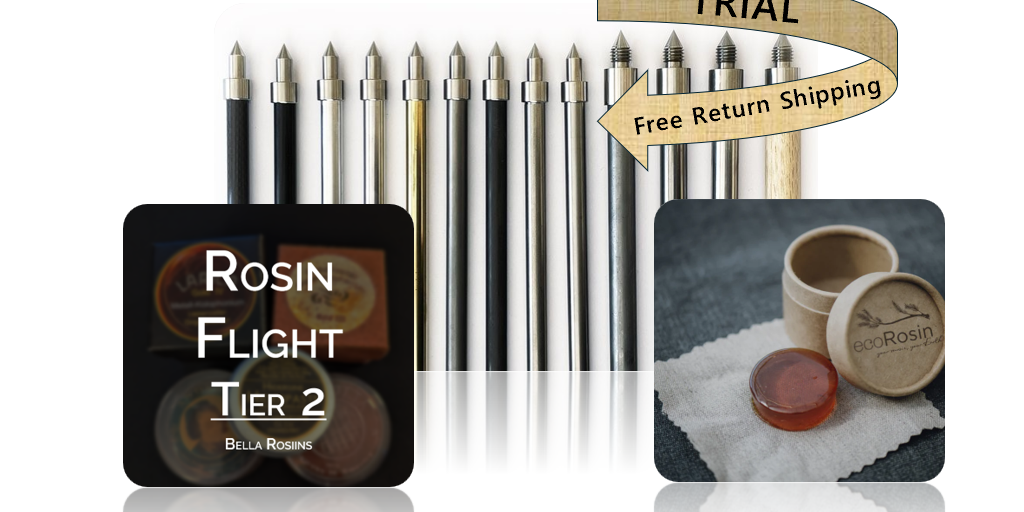
And it’s not just strings. The same is true of endpins — no endpin is universally the best, no matter what any enthusiastic post or marketing copy tells you. An endpin also changes how the instrument feels under your hands, as well as the resonance of the instrument itself — and whether a given one helps or hurts depends on your cello, your setup, and you. Same question, same answer: the only honest way to know is to try it on your own instrument.
Don't buy into the hype, and definitely don't think a new set of strings is going to do your practicing for you. But if you’ve been fighting your instrument, or if you feel like you’re working harder than you should to get the sound you know you’re capable of, it might be time to see if a different string choice can take some of that weight off your shoulders.
Stop guessing what might work. If you want to compare a few different sets in the comfort of your own practice room, I’m here to help you narrow down the field so you aren’t just throwing money at the wall.
Ready to find a better match for your cello? Head over to our string finder quiz to start a trial and hear the difference for yourself.