Short version: I'm Philo Lee, a professional cellist and the founder of SoundBox Strings. After four months on my 2005 Grubaugh & Seifert, the Jargar Eccentric set is dark and chocolatey with outstanding, growly G and C strings — like an elevated Evoke. The A runs a touch thin on my cello, and I pair the set with a Larsen Magnacore Arioso D. It makes the most sense for instruments that lean bright or aggressive and need anchoring; an already-dark cello is a harder fit. Full review below.
Updated October 16, 2026 — expanded with more detail, and now references our newer cornerstone guide on choosing strings.
I've had the Jargar Eccentric strings on my 2005 Grubaugh & Seifert cello for about four months now, putting them through regular orchestral rehearsals and solo practice. If you're new to my approach to string selection, start with You Can't Buy a New Sound. But You Can Stop Fighting Your Instrument. to see how I think about matching strings to how a cello actually behaves.
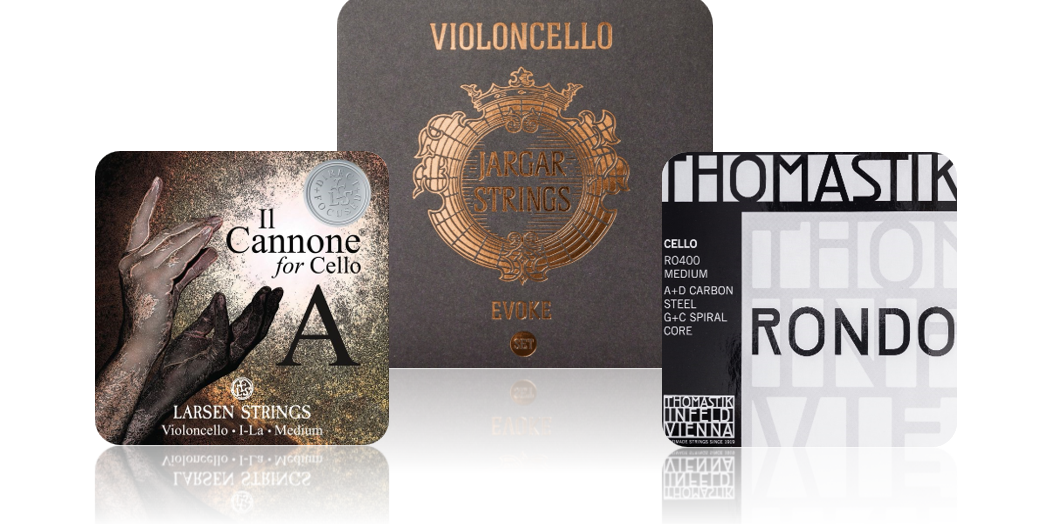
The first thing that hits you is the overall character: dark and chocolatey on my instrument, and I mean that as a compliment. In hands-on terms, the set feels like an elevated Jargar Evoke. Where the standard Evoke set gives you a warm, clean sound that can occasionally feel polite or capped when you lean into it, the Eccentric set offers a noticeably fuller core and more power on tap. Jargar built these in medium tension, aiming for immediate bow response with a crisp, edgy bite over a warm foundation. That description largely holds up in practice.
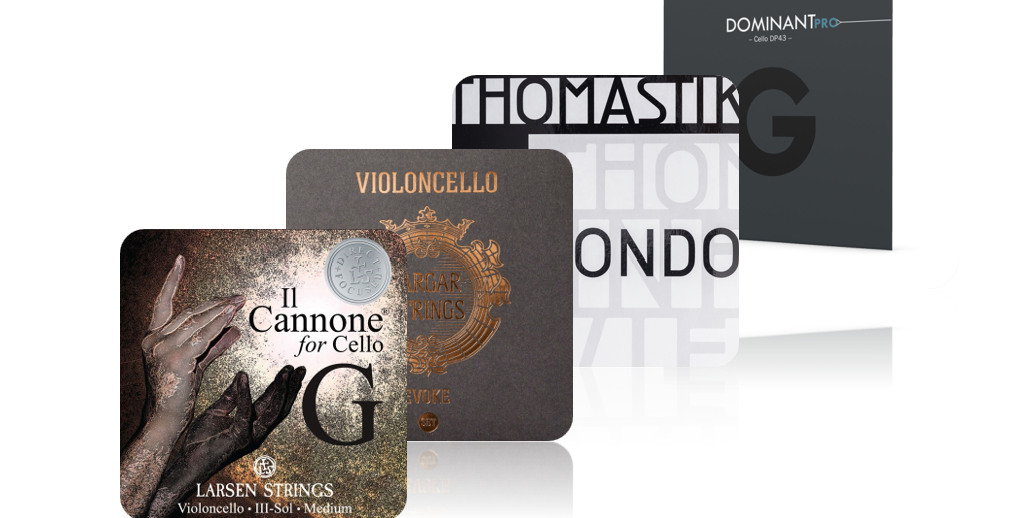
The lower strings are the clear stars of the set. The G and C use a spiral core with a tungsten-nickel winding, which gives them a pliable feel under the left hand while retaining enough mass to handle serious bow weight. They are dark and growly in the best way, speaking instantly at the start of the stroke with real depth underneath. There is some surface sizzle—that high-frequency "fizz" right under your ear—but on the bottom two strings it feels integrated into the sound rather than detached from it. Another player comparing them to Thomastik Versum noted that the Eccentrics feel slightly thicker under the fingers with a broader, throatier core sound, while still remaining easy to play quietly. That matches my experience with the bottom register.
Moving up to the carbon steel core strings, the results are more mixed on my cello. The A string leans warm, which I generally prefer, and it tracks cleanly with a direct, focused voice. That said, it comes across a touch thin on my instrument compared to the rich foundation built by the G and C. It isn't bright or shrill, but it lacks a bit of the body I want when playing up in the higher positions.
The D string is where the set and I part ways. It shares the carbon steel core and multi-alloy winding of the A, but on my cello, the fizz takes over rather than sitting beneath the core sound. Some players will appreciate that extra presence to help the instrument cut through a thick texture, but I found myself wanting something rounder and warmer to bridge the gap between the dark G and the A. My practical fix was swapping the stock D for a Larsen Magnacore Arioso D. That pairing settled down the top-end bite while keeping the set's dark, grounded character completely intact.
One more data point from outside my practice room: a cellist on Reddit who reviewed the set after his first week landed on the same core traits — powerful, immediately responsive, and what he called a "matte" tone colour, meaning a full core sound with none of the glossy shine some modern strings chase. His C-string description matches my experience closely — he called it the closest thing to wound gut among metal strings, moving from a roar to a purr depending on bow pressure. Where we differ is the A: on his cello it was laser-like and powerful, while on mine it runs slightly thin — which is exactly the point. Same string, different cello, different result. (His caveat is worth noting too: a week in is first impressions. Four months in, mine are long past any settling-in questions.)
This set makes a lot of sense if you have an instrument that leans overly bright, hollow, or aggressive in the upper mids, and you want to anchor it with serious low-end presence without losing quick articulation. If your cello is already dark and sluggish, or if you prefer a bright, singing top end straight out of the box without having to mix and match strings, you will likely want to look elsewhere.
Overall, I like what Jargar has done here. If your tonal taste runs toward the darker side of the spectrum, it is well worth putting on your instrument to see how it responds.
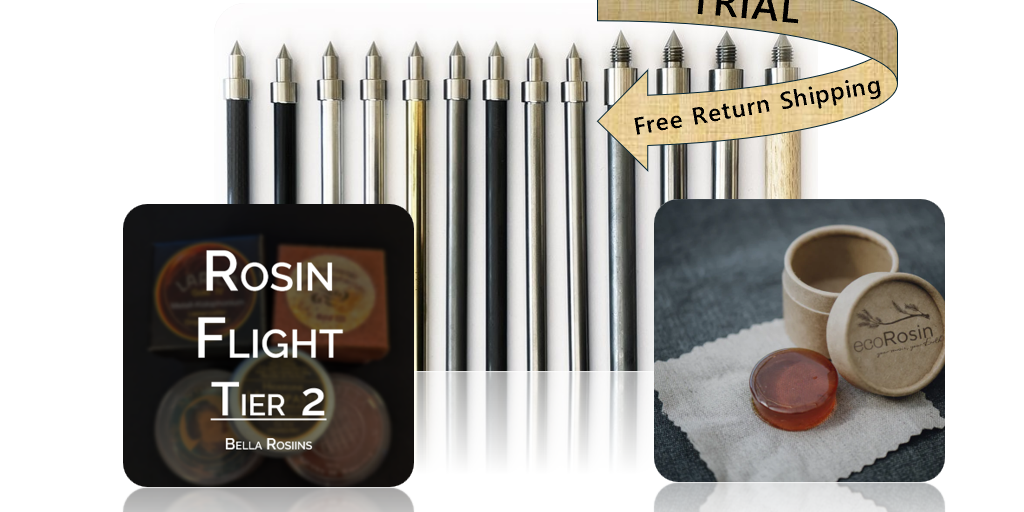
If you'd like to try these strings on your own cello, you can start a trial here.